Independent comparisons. We may earn from shop links. More info

Leaf shine spray vs wiping with a damp cloth

Updated: October 2026

Your monstera looks tired in the afternoon light, and you are weighing a bundle against a free cloth at the sink. Leaf shine spray vs wiping is not a battle of equal benefits. Both sides agree that dust blocks light, while only the marketing claims a lasting gloss is care. Our [leaf shine spray comparison](/hub/plant-accessories/leaf-shine-spray) still ranks cans for people who want one. This page explains when the cloth is the smarter tool and when a spray remains a defensible cosmetic choice.

Your monstera looks tired in the afternoon light, and you are weighing a bundle against a free cloth at the sink. Leaf shine spray vs wiping is not a battle of equal benefits.

Our top picks

On this page

What the cloth already does

Leaves gather dust near a window or radiator. A soft cloth in lukewarm water lifts that layer so the leaf can reflect light again. RHS houseplant jobs favour that on shiny leaves, and a soft brush on spiky plants, without a product film. Support large leaves from underneath, as Jane Perrone suggested on On the Ledge. Gentle pressure is enough on rubber plant and ficus. The cloth also avoids drift onto polished floors, walls and the routes pets take. UK reviews mention slippery polish and marks on paint when spray missed the pot. Gloss is optional. A clean matte leaf already looks healthy to many growers. Photos for a showroom flat are aesthetic, not a sign the plant needed a film.

What a spray adds

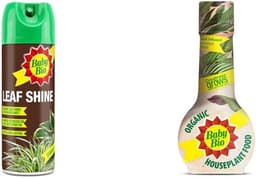
A labelled aerosol leaves a thin cosmetic layer that reflects more light than water. Buyers in this set sometimes praise that look on philodendron and ficus, and the best value bundle has a UK comment naming three species that looked polished. Iowa State University extension warns that leaf-shine products can plug stomata and collect dust later. The Palm Centre advises against leaf shiner on indoor palms, including products marketed as natural. RHS damage guidance says avoid leaf-shine aerosols and wipe shiny leaves instead. You also take on overspray and a flammable can. Baby Bio’s TradePoint ingredients include hydrocarbon solvents and butane. Distance and exclusions, if you still spray, are on how to use leaf shine spray.

Oils, milk and banana skin

UK growers push back on kitchen hacks. Ideal Home quoted a Baby Bio manager against olive oil on monstera, because it goes sticky and holds dust. Our Houseplants notes that oils attract grime and that milk adds little beyond water. A banana skin leaves sugars that can feed mould on a leaf meant to stay dry. None of those shortcuts replaces dust removal. If the cloth feels boring, that is a feature. A labelled product beats pantry chemistry if you still want gloss, though the RHS would rather you skipped the film.

When a can is still the choice

Florists finishing cut foliage sometimes need an even sheen before handover. The 750 ml FloraLife lines target that, with a dry time before wrapping. That is not a monthly living-room monstera. At home, a spray can still make sense when many small leaves would take a long time to wipe, or when one large rubber plant is easier to mist than to buff from a chair. Upper surface only, and monthly, still apply. Use leave-on for Baby Bio, spray-and-wipe for QONS, and a bundle only if you wanted the feed. Plant fit is on leaf shine for smooth houseplant leaves. Buy a can only if the plants are smooth-leaved adults, you will follow the label, and you want gloss after the dust is gone. Otherwise keep the cloth.

Cloth first, spray only for gloss

Use a damp cloth when the problem is dust on a shiny leaf, and a soft brush on a spiky plant. Buy a can only when you still want a cosmetic film on mature smooth leaves and you will keep it off floors, ferns, cactus and anything you eat. A natural-sounding label does not change that split. Format, if you do buy, is a separate decision from whether you need a product at all.

Common questions

What does the RHS say?
Avoid leaf-shine aerosols. Wipe shiny leaves with a damp cloth, and brush spiky plants. The RHS did not laboratory-test these seven listings, but the direction is clear, including a warning that aerosols can leave pale spots. That is why a plant outside the smooth-leaf list stays with the cloth or a brush.
When do florists still use a spray?
For ornamental cut foliage and display gloss, with a product-specific dry time before wrapping, not as daily nutrition. A 750 ml can makes sense when you finish that volume. It is a poor default for one living rubber plant in a flat. Living houseplants skip the wrap step and keep the ornamental-only limit.
If you buy one anyway, which mistake matters most?
Spraying the wrong leaf type, such as a fern, a cactus or a hairy philodendron, or overspraying floors and polished furniture. UK reviews mention slippery laminate and marks on paint. Cover the floor, keep flowers and buds dry, and do not treat a kitchen oil as a stand-in if the can runs out.
Are hairy leaves a cloth job or a brush job?
Keep them dry where you can. A gentle brush or a puff of air may lift dust. Shine aerosols are off the label for hairy surfaces, and a wet cloth can mat the hairs. Velvet philodendrons belong with that caution, not with the smooth-leaf spray list.
Can you claim the spray is safer because it says natural?
Natural branding does not override Palm Centre and RHS caution on stomata and aerosols. Read the method and the exclusions instead. A product marketed as natural can still be the wrong film for a palm, a fern or a hairy leaf. Pet-safe is a separate claim, and these listings do not supply the evidence for it.

Related pages

Sources

Public UK sources used for this comparison. Shelf prices, stars and review counts are the amazon.co.uk figures captured for these seven listings. A plain Baby Bio 200 ml can is cited for directions and exclusions and is not one of the seven. Last checked 22 October 2026.

  1. RHS: leaf damage on houseplants (retrieved 22 October 2026)
  2. RHS: April jobs for houseplants (retrieved 22 October 2026)
  3. Aerosol Dispensers Regulations 2009 (GOV.UK) (retrieved 22 October 2026)
  4. General Product Safety Regulations 2005 (GOV.UK) (retrieved 22 October 2026)
  5. ASA: types of claims, safe (retrieved 22 October 2026)
  6. Consumer Rights Act 2015 (retrieved 22 October 2026)
  7. FloraLife Leafshine (Oasis Floral UK) (retrieved 22 October 2026)
  8. Baby Bio leaf shine retailer page (plain 200 ml can, not in this set) (retrieved 22 October 2026)