Rose black spot UK: what to do before you spray

Dark spots and yellow rose leaves often mean black spot. Learn what to remove, how mulch helps, and what to check before buying a UK fungicide.
On this page
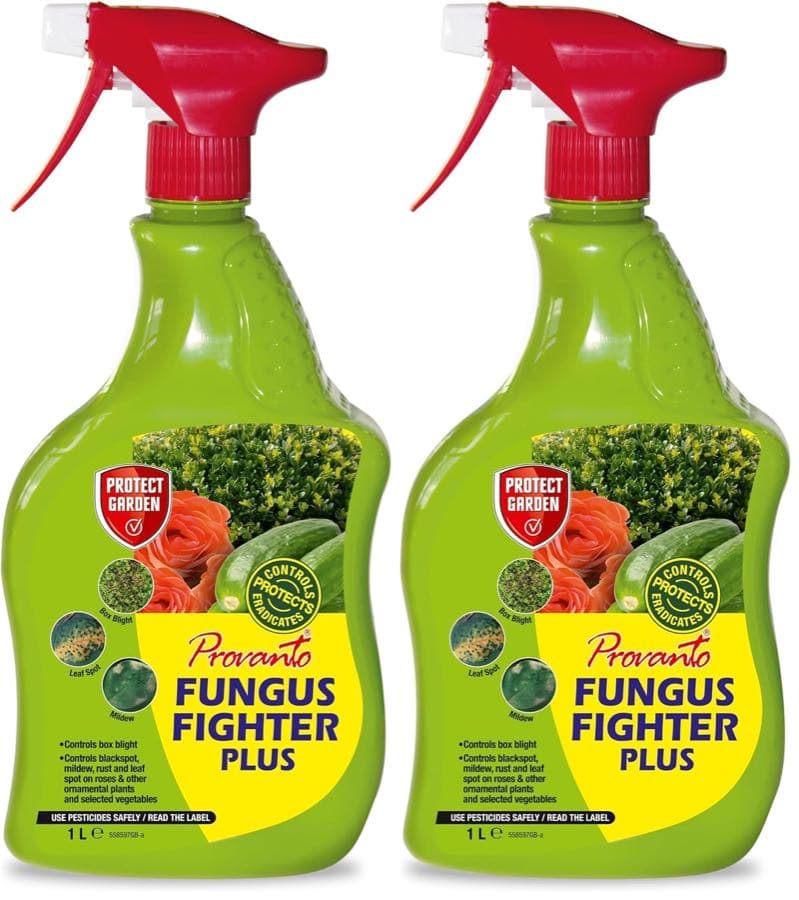
You go out to deadhead a rose and find dark marks scattered across the leaves, with the lower foliage already turning yellow. A search for rose black spot UK treatments quickly produces bottles, recipes and rigid spraying calendars, but buying something is not the best first move. Fallen leaves and affected stems need attention first, and the Royal Horticultural Society advises gardeners to avoid fungicides where possible. That does not promise a spotless plant; it gives you a practical way to reduce the disease without pretending that one product can erase it.
In short
Dark spots followed by yellowing and early leaf fall are the familiar pattern of rose black spot. Collect affected leaves, deal with fallen material, inspect stems in spring and use a thick mulch to reduce spores splashing back from the ground. These measures can delay and lessen infection, but spores can still arrive on the wind, so control is more realistic than eradication.
What the leaves are telling you
Black spot is a fungal disease, and its most recognisable clue is not simply a black mark. Look for dark, often irregular spots accompanied by yellow tissue and leaves dropping earlier than they should. The lower and inner foliage may show trouble first because moisture lingers there, but do not diagnose the whole bush from a single damaged leaf. Physical scuffs, ageing foliage and other rose diseases can all create marks that look alarming at a glance.
Check several leaves from different parts of the plant, including their undersides, and look at the sequence of symptoms. Dark spotting followed by broad yellowing and leaf fall is more persuasive than one isolated blemish. Photographing the plant once a week gives you a useful record of whether the problem is spreading; daily checking often makes normal changes feel more dramatic than they are.
The spotted leaves will not become unspotted again. Your aim is to protect the rose's ability to keep enough healthy foliage, not to restore damaged tissue. A badly affected plant loses leaf area and therefore some capacity to make energy. An established rose can survive an outbreak, but repeated heavy defoliation may weaken growth and flowering, so ignoring severe symptoms year after year is not a neutral choice.
Before blaming your own care, remember the limitation of garden hygiene. Black spot spores can travel into the garden, so even diligent leaf collection cannot create a sealed zone around a rose. Good practice reduces local sources and buys the plant time; it does not prove that you did something wrong if spots return.
Leaves, lesions and mulch
Start on the ground. Pick up fallen rose leaves and remove loose, visibly affected foliage without stripping the bush bare for cosmetic reasons. Do not add infected material to a normal home compost heap. Follow local guidance for disposing of diseased plant waste, or use the RHS-backed alternative of burying fallen leaves beneath a thick winter mulch so spores are less likely to splash back onto fresh foliage.
Mulch works as a physical barrier, not as a medicine. Apply it over the soil around the rose rather than banking it against the stems, and keep the crown clear enough to avoid a permanently damp collar. The exact material matters less than achieving useful coverage with a suitable garden mulch. If the layer becomes thin, scattered or mixed into bare soil, it cannot do the same job.
Spring is the time to inspect stems before leaves hide them. Black spot can also produce lesions on young stems, and the RHS advises pruning affected material before the new leaves emerge. Use sharp, clean secateurs, make sensible pruning cuts and remove the diseased pieces. Do not cut repeatedly into healthy framework merely because the bark has normal colour variation; uncertain stem damage is a reason to compare reliable photographs or seek horticultural advice.
A rose arch comparison is useful if you are training a climber, but the support must not force stems into a dense, tangled mass. Tie growth with room for expansion and make inspection possible. The trade-off is that a very tightly covered arch may look full sooner while holding leaves together and making fallen debris harder to reach.
Why the RHS argues against a spray
The RHS position is clear: it recommends not using fungicides, including organic ones, because of their potential effects on biodiversity, soil and the wider garden. That advice can feel unsatisfying when a valued rose is shedding leaves, but it changes the order of decisions. You first reduce infected debris and improve practical care; a product is not the automatic starting point.
Treat the word “organic” cautiously. It describes a category or origin, not a guarantee that a substance is harmless to bees, aquatic life, soil organisms, pets or you. Likewise, a homemade mixture is not automatically gentle because the ingredients came from a kitchen cupboard. Variable bicarbonate, milk or washing-up-liquid recipes are not regulated label directions, may scorch foliage and can encourage repeated applications with no clear safety basis.
There is also a practical cost to routine spraying. It takes time, requires suitable weather and protective precautions, and may need repeated decisions as new growth appears. If a rose suffers badly every year despite sensible non-chemical care, replacing it with a variety chosen for better disease resistance may be more satisfying than maintaining a permanent treatment programme. That is a slower solution, but it tackles the mismatch between plant and place.
If you still buy a fungicide
Some gardeners will still decide to use a product, particularly where a mature or sentimental rose is repeatedly hit. If that is your decision, begin with the current RHS list of fungicides for home gardeners, then check the bottle or pack itself. Products containing active ingredients such as tebuconazole with trifloxystrobin have appeared on UK home-gardener lists for diseases including black spot, mildew and rust, but names, authorisations and formulations can change.
The label is the instruction. Confirm that the product is currently authorised, intended for home-garden use and labelled for the plant and problem you have. Follow its stated dose, timing, maximum number of applications, protective measures, storage directions and disposal requirements. This article deliberately gives no mixing rate or spray calendar because transferring instructions between products can be unsafe and illegal.
An amazon.co.uk listing is not an endorsement from the RHS, and a product title is not enough evidence that a bottle is suitable. Listings may retain old photographs, omit label details or combine reviews from different formulations. Before ordering from a rose fungicide comparison, inspect the seller, pack image and quantity, then verify the delivered label before use. Return or query a product if the label is missing, damaged, illegible or inconsistent with the listing.
Price needs context as well. Compare the usable quantity and label-defined coverage rather than choosing the largest-looking bottle or the lowest headline price in GBP. A concentrate may involve measuring and equipment, while a ready-to-use spray is simpler but can cost more per treated area. Neither format makes the product appropriate by itself, and buying extra “for next year” risks leaving you with ageing stock or a product whose authorisation has changed.
What rose black spot is not
Rose rust is a separate disease. It is associated with orange pustules, which may later turn black, rather than the typical dark spots, yellowing and leaf fall used to recognise black spot. Turn leaves over and examine more than one part of the plant. If you see orange powdery pustules or symptoms that do not match the usual black spot picture, pause before buying a product aimed at the wrong problem.
Do not import a US diagnosis simply because its photographs look dramatic. Rose rosette virus is a North American problem and has not been confirmed in the UK according to the RHS rose guidance. Advice built around US products, legal approvals or treatment schedules also does not transfer automatically to a British garden. UK product labels and current UK authorisations are the relevant standard.
Finally, the disease is not a reason to sterilise the whole garden. Focus your effort where it changes exposure: fallen rose leaves, clearly affected material, crowded growth and poor access for maintenance. A measured routine protects more useful garden life than indiscriminate spraying, while still acknowledging that a heavily affected rose may need a different variety or position in the long term.
Common questions
Will black spot kill my rose bush?
Can I compost rose leaves with black spot?
Does fungicide cure spotted rose stems?
Are organic fungicides harmless?
Should I use a homemade black spot spray?
Is mulch enough to stop rose black spot?
Is rose black spot the same as rust?
Which rose fungicides can I legally buy in the UK?

Products Compared publishes British-English buying guides based on amazon.co.uk listings and public UK sources. We do not run a lab and we do not invent test scores.
Related articles

How to tie in a climbing rose without damaging it
Learn how to tie in a climbing rose on wires, an arch or an obelisk, using soft ties and sensible spacing without cutting into growing canes.

Garden arch width for a path: allow room for roses
Choose a garden arch width that stays usable after roses mature, with practical allowances for paths, wheelbarrows, headroom and thorny growth.

Protect pots from frost UK: winter cover guide
Learn how to protect patio pots from frost, choose fleece or insulation, manage winter wet and uncover plants safely during milder British weather.