Independent comparisons. We may earn from shop links. More info

How to paint beige walls without misjudging the colour

Updated: October 2026

You have chosen the tin and cleared the room, but wet beige can look alarmingly grey, pink or plaster-like. The reliable way to paint beige walls is to prepare a sound surface, plan two coats, follow the recoat time on your tin and judge the shade only when dry. Start with our [comparison of 12 beige wall paints](/hub/paints-and-varnishes/wall-paint-beige) if you have not bought paint yet. The sequence below covers previously painted walls and a ceiling; bare plaster, active damp and persistent mould need a different diagnosis before you begin.

You have chosen the tin and cleared the room, but wet beige can look alarmingly grey, pink or plaster-like.

Our top picks

On this page

Check the tin before you open it

Read the product name, colour, finish, batch details and application instructions rather than relying on an Amazon image. Beige names are not standardised, and these 12 products range from flat matt to soft sheen and silk. If walls and ceiling should recede together, matt is usually less revealing overhead; silk can catch side light and expose roller marks. Our matt versus silk beige emulsion guide explains that trade-off. Inspect the lid and rim while the tin is upright. Do not use paint that has leaked substantially, contains hard contamination that stirring cannot disperse, or arrived with an insecure lid; photograph the damage and contact the seller. Check that multiple tins are the same product and batch. Ventilation does not make standard emulsion suitable for persistent damp; use the kitchen and bathroom beige paint guide for that boundary.

Prepare a previously painted wall

A sound painted wall normally needs cleaning, repairs and a light key rather than primer everywhere. Remove dust and grease, rinse cleaner residue where directed, and let the wall dry. Scrape loose paint to a firm edge, fill dents, sand repairs smooth and remove the dust. Mask where it helps you hold a clean edge, then stir from the bottom until colour and consistency are even. Do not add water because a reviewer did: formulations differ, and directions allowing up to 10% water for one trade paint do not transfer to every retail tin. Crown Light Beige says no primer is needed on previously painted surfaces, but that does not make it a mist coat for bare plaster. New plaster, nicotine or water staining, powdery surfaces and recurring mould need appropriate preparation or a specialist system; beige emulsion may only hide the symptom briefly.

Apply the first coat, then follow the recoat clock

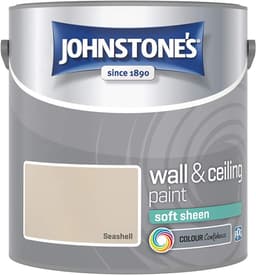
Cut in one manageable wall at a time around corners, ceiling, skirting and fittings. Roll while the edge is wet enough to blend, using overlapping sections and light finishing strokes. Plan two coats even if the first looks opaque. Measure the paintable area, allow for two coats and compare it with the tin's figure, as outlined in the beige emulsion buying guide. Touch dry and ready to recoat are different stages. Crown Light Beige and Crown Beige silk state about two hours touch dry and four hours before recoating. Several Johnstone's listings give touch-dry times but no dependable recoat instruction, so do not invent one from the shorter figure. Follow the label on your tin; generic UK guidance often suggests four to six hours, while a cold or damp room can take longer.

Apply the second coat and assess the dry beige

Do not decide that the shade is wrong while the first coat is wet. Water, uneven absorption and the old colour can make wet beige look darker, chalkier or pinker. Wait the full recoat interval, then repeat the cutting-in and rolling sequence. Let the second coat dry in normal room light before judging it, then check it in daylight and your usual evening lighting. A dried patch is more reliable than the wet roller tray, tin label or screen image, and differently oriented walls may still look warmer or cooler. Stop if brown staining returns, the wall feels damp, plaster remains soft or powdery, or mould comes back after cleaning. A decorator can assess an uncertain substrate or demanding finish; damp and mould may require the underlying building fault to be found first.

Common questions

Do I paint the ceiling the same beige?
You can where the product is stated for walls and ceilings and you want a continuous colour. Matt is generally more forgiving overhead; silk reflects more light and may emphasise roller texture. Dry a patch in the room first because ceiling light changes how the shade reads.
How long should I wait before the second coat?
Use the recoat time printed on your tin, not the touch-dry time. Crown Light Beige states two hours touch dry and four hours to recoat, while generic guidance can be four to six hours. Allow longer in cold or damp conditions.
Why does beige paint look like plaster when wet?
Wet emulsion has not formed its final film, so colour and sheen may look duller, darker or chalkier. Uneven absorption exaggerates this on the first coat. Judge the shade after the specified drying period, preferably after two complete coats in normal room light.
Do previously painted walls need a primer?
Not always. A clean, sound, lightly keyed painted wall may accept emulsion directly; Crown Light Beige says no primer on previously painted surfaces. Bare plaster, stains, gloss and powdery patches can need different preparation, so follow the relevant manufacturers' instructions.
Can I thin emulsion with water?
Only when the instructions for that exact paint and surface allow it. A reviewer's choice to add about 10% water is not general guidance, and directions for a separate trade product do not transfer to your retail tin. Unauthorised thinning may reduce hiding power.
What if the old colour is very dark?
Plan at least two coats and enough paint for a possible third rather than applying one coat too heavily. Let each coat reach its recoat time. A suitable base coat may help an extreme change, but check compatibility instead of using arbitrary leftover white paint.
When should I call a decorator?
Stop for active damp, recurring mould, persistent stains, loose plaster or an unknown coating that resists preparation. New plaster also needs a system suited to its condition, not ordinary instructions for a previously painted wall. Seek help when the substrate, access or required durability is uncertain.

Related pages

Sources

Public UK sources used for VOC limits, ventilation, and a tin that is not as described. Prices, stars and review counts are from the amazon.co.uk listings in this set. No BS EN 13300 class is claimed for these tins. Checked 17 October 2026.

  1. VOC in Paints Regulations 2012, Schedule 2 (retrieved 17 October 2026)
  2. NICE NG149 — indoor air quality at home (retrieved 17 October 2026)
  3. HSE — paint and coatings (retrieved 17 October 2026)
  4. HSE OCE2 — brush and roller (retrieved 17 October 2026)
  5. Crown — walls and ceilings (retrieved 17 October 2026)
  6. Johnstone's bathroom paint (a different product) (retrieved 17 October 2026)
  7. BS EN 13300:2022 — scope, not a result for these tins (retrieved 17 October 2026)
  8. Consumer Rights Act 2015 (retrieved 17 October 2026)