How to clean an acrylic sneeze guard
You have a clear screen on the counter, and the next move is the window spray you use on the glass door. How to clean an acrylic sneeze guard is a different wash. Ammonia and a dry rub cloud or scratch the sheet, leftover film looks like dirt, and a food business still needs a disinfectant with a British Standard on the label. The [sneeze guard comparison](/hub/occupational-safety/sneeze-guard) is the amazon.co.uk set captured on 20 October 2026. Thickness and feet, which matter when a light panel tips, are on the [sneeze guard buying guide](/hub/occupational-safety/sneeze-guard/sub/sneeze-guard-buying-guide). We did not run a haze test. A qualifying purchase can earn a commission at no extra cost to you.
You have a clear screen on the counter, and the next move is the window spray you use on the glass door. How to clean an acrylic sneeze guard is a different wash.
You have a clear screen on the counter, and the next move is the window spray you use on the glass door. How to clean an acrylic sneeze guard is a different wash. Ammonia and a dry rub cloud or scratch the sheet, leftover film looks like dirt, and a food business still needs a disinfectant with a British Standard on the label. The sneeze guard comparison is the amazon.co.uk set captured on 20 October 2026. Thickness and feet, which matter when a light panel tips, are on the sneeze guard buying guide. We did not run a haze test. A qualifying purchase can earn a commission at no extra cost to you.
Our top picks
| Badge | Product | Thickness | Mount | Wash on the listing | Note | Price | Offer |
|---|---|---|---|---|---|---|---|
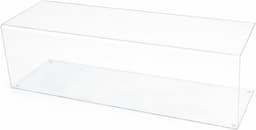
| Best overall |  Plasticraft Plasticraft 400 mm food screen, 5 mm | 5 mm | Freestanding | Bullets say wipe clean | 6.9 | about £24.26 | View offer |
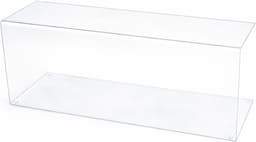
 Plasticraft Plasticraft 1000 mm food screen | 3 mm over 1,000 mm | Freestanding | Wipe in a daily hygiene routine | 7.6 | about £58.93 | View offer | |
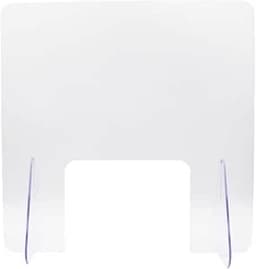
| Alternative |  SUPVOX SUPVOX 40 cm desk screen | 0.3 cm | Two slot-in feet | Water only | 4.3 | about £11.89 | View offer |
On this page
Take the film off first
Soap and water
If this is a food business
When the screen moves
Common questions
Can I use window spray?
What do I do before any disinfectant?
Which code should be on the bottle?
Do I rinse?
The sheet looks blue or milky. Is it damaged?
The small screen falls over when I wipe it. Is that dirt or the feet?
A listing told me to use glass cleaner. Who is right?
Related pages
Sources
Public UK sources from the research digest, last checked on 20 October 2026. Shelf prices and star lines are the amazon.co.uk figures in the display file. The price bands are this set, not a market average.
- FSA: SFBB retailers, good housekeeping (retrieved 20 October 2026)
- FSA: SFBB chilled storage and display (retrieved 20 October 2026)
- Regulation (EC) No 852/2004, Annex II, Chapter IX (retrieved 20 October 2026)
- Regulation (EC) No 1935/2004 (retrieved 20 October 2026)
- GOV.UK: food hygiene cleaning (retrieved 20 October 2026)
- HSE: coronavirus advice for workplaces (retrieved 20 October 2026)
- EMG S1321: screens and barriers (retrieved 20 October 2026)
- GOV.UK: safety screens for taxis and PHVs (retrieved 20 October 2026)