Independent comparisons. We may earn from shop links. More info

Cotton gloves for eczema

Updated: 21 October 2026

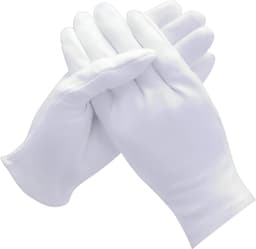
You have been told to cover moisturiser at night, and the amazon titles say eczema on the same thin cotton they use for dusting. Cotton gloves for eczema are a cover for dry skin, not a treatment, and they are the wrong thing to seal over skin that is weeping. The cream, or a steroid a clinician has already prescribed, is the care. The glove keeps that care on the hand and off the sheet. The [cotton gloves comparison](/hub/occupational-safety/cotton-gloves) lists the multipacks and their shelf prices, from £2.99 to £12.69 in the files, not a live scrape on 20 October 2026. Peter F. used NHS, British Association of Dermatologists and GOV.UK pages plus those listings. We did not treat anyone. A qualifying purchase can earn a commission at no extra cost to you.

You have been told to cover moisturiser at night, and the amazon titles say eczema on the same thin cotton they use for dusting.

Our top picks

On this page

A cover, not a treatment

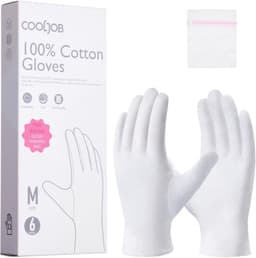
The British Association of Dermatologists puts cotton on at night after the emollient. The emollient is the care. The glove holds it on the skin. Newcastle Hospitals uses cotton so the bedclothes stay clean. An amazon bullet that calls a white multipack an eczema treatment is marketing on a thin glove. None of these listings prints a clinical result, and none prints EN 388. 100 percent cotton on Home Solutions, COOLJOB, ROMAXO and similar titles is a claim, not a test. BWEISSTH is the row that states 95 percent cotton and 5 percent polyester. That honesty does not make the blend a medicine. A clinic shop lists six medium pairs at £18.99 and warns about cream left in the cotton. That price is not an amazon.co.uk shelf price, and it is not one of the ten packs here. Paying less on Amazon does not turn the glove into the clinic product, and paying the clinic price would still leave you with a cover rather than a cure.

Night on dry skin

On dry skin the order is ointment or moisturiser, then thin cotton. If a steroid has been prescribed for the night, South Tees Hospitals says apply the steroid, wait 10 minutes, then moisturiser, then the cotton. This page does not start a steroid or change a dose. Without a prescription, skip that step and put the emollient on, then the glove. The night steps in more detail are on how to use cotton gloves. Named medium beats one size when hands are large. Home Solutions and COOLJOB are the medium moisturising packs in this set, both at £9.99. COOLJOB prints a 30 °C gentle wash and a size-up note. Home Solutions includes a wash bag and does not state the cycle, and captured reviews describe seams tearing when cream makes the hands slippery. That is the night you are planning, so spare pairs matter. One size at about 8 inches, as on ROMAXO, is a poor bet for an average man if the reviews already call the fingers tight. Skip the knit for this night. Viganoc is 12 medium work pairs at £12.69, cotton-polyester, and the spec says not water resistant. It is the wrong cover over emollient.

Wet work is a different glove

Washing-up, shampoo and detergents are not a cotton job on their own. NHS contact-dermatitis advice says take gloves off so sweat does not worsen the rash, and that a cotton layer under rubber can help when the rubber itself irritates. The cotton is for that irritation and for sweat. It is not a chemical glove. The British Association of Dermatologists and the hospital leaflets put nitrile, vinyl or PVC on for about 15 to 20 minutes, with cotton inside, and they want the outer glove off as soon as you can. Cotton alone is not waterproof. Viganoc and Einfa say so on the spec. The other pages leave it unstated, which is not a yes. Do not do the dishes in the night pair and then sleep in it wet. Change the liner when it is damp. See a GP if the skin is weeping, blistered, crusted, or not settling. NHS pompholyx pages name very painful blisters, yellow or green pus, and crust as reasons to be seen. Do not occlude that skin in cotton overnight.

Cream left in the cotton

GOV.UK's emollient guidance says cream transfers onto clothing, bedding and bandages, and that dried residue makes the fabric more flammable. Newcastle makes the same point about petroleum emollients and a naked flame. The clinic page aimed at cotton gloves tells buyers to replace them because washing does not clear the residue. A gentle 30 °C cycle, where the listing allows one, is for soil and for the next night. It is not a promise the fibres are free of ointment. Keep gloves and sheets away from candles, gas hobs and open fires. If a pair is stiff with cream, bin it and take a fresh one from the pack. That is why a two-pair trial runs out quickly and a larger thin pack is the practical buy for a fortnight of nights, provided the size is honest. Stay with thin cotton when the skin is dry, the emollient is the treatment, and you can wash or replace the cover. The glove never becomes the prescription.

Common questions

Do these gloves treat eczema or only cover the moisturiser?
They cover the moisturiser. The British Association of Dermatologists and the NHS hospital leaflets put the emollient first and the cotton on afterwards so the cream stays on the skin and off the bedding. A title that says treatment is still a thin glove from this amazon set. Cotton does not replace a prescribed steroid, and it does not clear a rash by itself.
What is the night order if I also have a prescribed steroid?
South Tees says steroid, wait 10 minutes, moisturiser, then thin cotton. Use that order only for a steroid you have already been given. If you have not been prescribed one, the night is moisturiser then cotton. Open, weeping or crusted skin is not a prompt to add another layer. Ask a GP first.
Can I wear the same cotton for washing-up?
Not as the only glove, and not for long. Use nitrile or vinyl for about 15 to 20 minutes, with cotton underneath if the outer irritates, then take the outer off. The night pair is a dry cover. Cotton is not waterproof, and a soaked liner left inside a rubber glove until morning works against the short-wear advice.
What if the skin is weeping, blistered or crusted?
Speak to a GP before another night in a glove. NHS pompholyx advice treats leaking pus and crust as reasons to be seen. Covering broken or infected skin in cotton overnight is not the leaflet routine for dry hands. The multipack can wait until someone has looked at the skin.
Why do NHS pages mention cotton under nitrile for only a short time?
Because the protective glove should come off before sweat makes the rash worse. About 15 to 20 minutes is the figure on the British Association of Dermatologists, South Tees and the Sheffield leaflet. The cotton liner cuts sweat and can separate an irritating rubber from the skin. It does not turn a thin amazon pair into a chemical barrier, and these listings do not print EN 374-2.
Are the gloves a fire risk once cream has soaked in?
They can be, once emollient has dried into the fabric. GOV.UK says that residue makes clothing and bedding more flammable. Keep gloves and sheets away from naked flames. A clinic note on cotton gloves says washing does not remove all of the cream, so replace loaded pairs rather than trusting one more cycle beside a hob.
Is a 100 percent cotton amazon title the same as a clinic glove at £18.99?
No. The clinic price is a different shop, not an amazon.co.uk figure, and a 100 percent line on these titles was not tested here. BWEISSTH at £7.98 prints 95 percent cotton and 5 percent polyester. Either glove is still a cover for moisturiser. The percentage does not make it a treatment. Viganoc, the knit work pack, is not that night cover.

Related pages

Sources

Public UK sources from the research digest. Shelf prices and star lines are the amazon.co.uk figures captured for this comparison on 20 October 2026. A clinic price named in the digest is not an amazon.co.uk price.

  1. HSE: Selecting gloves (retrieved 20 October 2026)
  2. HSE: PPE product safety and supply (retrieved 20 October 2026)
  3. Regulation (EU) 2016/425 Annex I (retrieved 20 October 2026)
  4. GOV.UK: UKCA and CE marking in Great Britain (retrieved 20 October 2026)
  5. British Association of Dermatologists: hand care (retrieved 20 October 2026)
  6. Newcastle Hospitals: hand care advice (retrieved 20 October 2026)
  7. South Tees: hand dermatitis (retrieved 20 October 2026)
  8. The National Archives: gloves and handling (retrieved 20 October 2026)