Independent comparisons. We may earn from shop links. More info

Kitchen Splashback Film: Where It Works

Updated: October 2026

Kitchen splashback film can create a discreet, wipeable strip over sound tiles, sealed board or a smooth cupboard side. It may help with greasy marks behind a cool preparation area without the disruption of fitting tiles. It is not a safe substitute for a suitable splashback directly behind a gas hob. Our [wallpaper protection comparison](/hub/hearing-protection/wallpaper-protection) shows the available clear rolls; this page draws the more important boundary between an ordinary splash zone and an area exposed to serious heat or flame.

Kitchen splashback film can create a discreet, wipeable strip over sound tiles, sealed board or a smooth cupboard side.

Our top picks

On this page

Where clear film is a reasonable kitchen cover

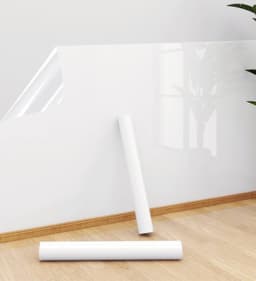
Clear splashback vinyl makes most sense where the problem is food spray rather than heat. A strip behind a preparation area, beside a sink or along a worktop away from the cooker can protect a sound, smooth surface from sauce, coffee and oily fingerprints. It leaves the finish beneath visible and can be replaced, but it will not strengthen a damaged wall or make an absorbent surface waterproof. Smooth glazed tile, sealed laminate and firmly finished board are more predictable than textured wallpaper, crumbling paint or damp plaster. Keep the use narrow: this is a wipeable cover for a cool splash area, not a fire-rated kitchen lining.

Where ordinary film is the wrong material

Do not put ordinary PVC film directly behind a gas hob. Naked flame, a large pan deflecting heat and a flare-up create a different risk from warm water or grease droplets. The rolls in this comparison provide no verified fire classification or tested safe clearance for that position. Calling a listing oil-proof or heat-resistant does not fill the evidence gap. One review in the set reports film melting onto a wall, while another buyer describes fitting film behind a hob; the latter is not proof of safety. Use a manufacturer-approved toughened-glass, suitable metal or tiled system and follow its own clearance and installation instructions.

Choose width and fixing for a cool splash zone

Measure the height and total run before comparing prices. A 30 cm roll may cover a low strip behind a sink, but it can leave a join or exposed band if protection must reach higher. Wider options include Hode at 40 cm by 3 m, Assnit at 45 cm by 3 m and 40 cm-wide Loiion. Allow a trimming margin and avoid several horizontal strips because every seam gives water and cloths another edge to catch. Adhesive film generally survives repeated wiping better, though it can damage weak paint during removal. Static film is easier to reposition but an exposed edge may lift, and some static systems add glue dots.

Check the position before ordering and fitting

Start with the precise location and consider where large pans, appliances and steam direct heat, not only where marks currently appear. Behind a gas flame, stop comparing ordinary films and specify a suitable splashback. In a cool sink or preparation zone, check surface compatibility, width, fixing method and removal guidance. Do not transfer a 70°C or 75°C figure from another brand or decorative product to one of these rolls. Clean and dry the surface, fit an inconspicuous patch and check it after a day for lifting or paint transfer. Use a soft cloth and a cleaner suitable for both film and substrate; abrasives can cloud the sheet.

Common questions

Can kitchen splashback film replace tiles behind a cooker?
No. Ordinary clear film in this set lacks verified fire performance for direct use behind a gas hob. Use a splashback expressly approved by its manufacturer for that position, commonly a suitable toughened-glass, metal or tiled system, and follow its fitting and clearance instructions.
Is clear film suitable beside a sink?
It can suit a smooth, sealed surface exposed to water and food splashes rather than significant heat. Keep water away from vulnerable edges, clean gently and avoid covering damp plaster, loose paint or another failing finish. Test a small section before committing to the full run.
Will grease wipe off clear splashback film?
A smooth film can make fresh grease easier to remove than textured wallpaper. Use a soft cloth and test the cleaner first. Abrasive pads and harsh solvents can cloud the plastic, loosen edges or damage the surface underneath, so an oil-proof listing claim does not justify aggressive cleaning.
What roll width should I buy?
Measure the required height and add a trimming allowance. A 30 cm roll makes a low strip, while 40–45 cm offers more vertical coverage. Add extra length for squaring the first edge and a failed cut. Confirm the selected variation because listing titles and size boxes can disagree.
Is static or adhesive film better in a kitchen?
Adhesive film normally gives firmer edges for repeated wiping, but it can pull weak paint during removal. Static film is easier to reposition, although cloth contact can lift an edge. Choose according to the stable substrate and removal risk, and test any supplied adhesive dots separately.
Does oil-proof mean heat-proof?
No. Oil-proof usually describes resistance to splashes or ease of cleaning. It does not demonstrate fire resistance, a safe operating temperature or suitability behind a gas hob. Those claims require product-specific evidence and installation instructions for the exact variation being fitted.
What should I fit behind a gas hob?
Use a splashback whose manufacturer expressly approves that position, such as an appropriate toughened-glass, metal or tiled system. Follow the specified clearance and fitting instructions because a material name alone does not establish suitability. Ask a competent installer if the wall construction or spacing is unclear.

Related pages

Sources

Public UK and manufacturer sources used for this comparison; last accessed 15 October 2026.

  1. B&Q: How to apply sticky back plastic (retrieved 15 October 2026)
  2. d-c-fix UK FAQ (retrieved 15 October 2026)
  3. BSI: BS EN 15102 decorative wallcoverings (retrieved 15 October 2026)
  4. Approved Document B: Fire safety, dwellings (retrieved 15 October 2026)
  5. Consumer Rights Act 2015, section 9 (retrieved 15 October 2026)
  6. GOV.UK: Accepting returns and giving refunds (retrieved 15 October 2026)
  7. General Product Safety Regulations 2005 (retrieved 15 October 2026)
  8. Kalsi Plastics: Kitchen splashback alternatives (retrieved 15 October 2026)