Water butt or hosepipe: which should you use?

Water butt or hosepipe: use rainwater for routine watering, and mains pressure when reach matters, plus bans, seedlings and warm stored water.
On this page
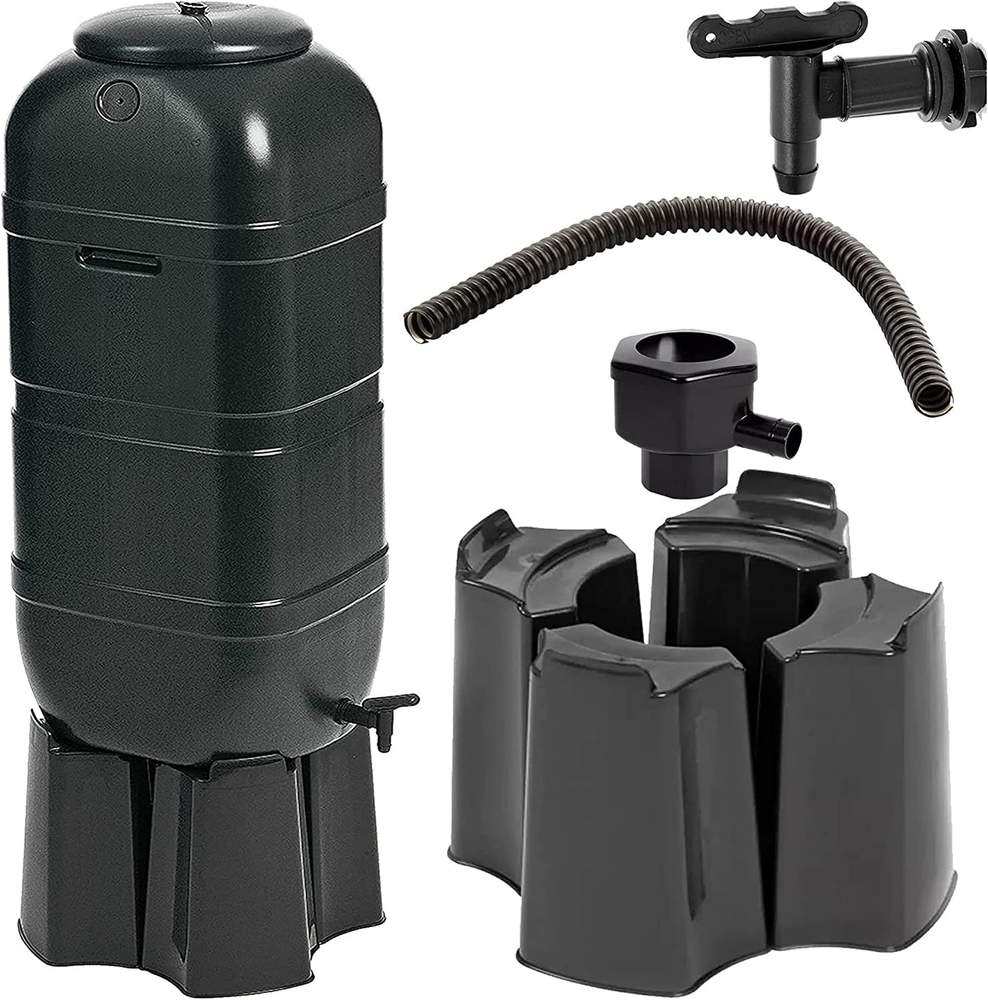
Choosing a water butt or hosepipe is a choice about the job, not only about free water and paid water. Stored rainwater suits routine watering. A mains hose gives predictable pressure when reach and speed matter. Use rainwater first, keep a watering can by the butt, and treat mains water as the backup.
The guidance below comes from the RHS, CIPHE, Thames Water, SES Water and the Water UK figure cited by Gardeners' World. We did not test these products in a lab. Amazon links are affiliate links: a qualifying purchase can earn a commission at no extra cost to you.
In short
Use a water butt for established plants when the water is in good condition and you can deliver it gently. Choose a mains hosepipe for consistent pressure, or for clean water for seedlings, if no temporary restriction applies. A hose on a butt may be allowed in a hosepipe ban. Warm stored water can still be unsuitable to spray.
Two supplies that behave differently
A water butt stores rain from a roof through a downpipe diverter. The supply is finite, pressure varies with height and water level, and the water is untreated. A mains hosepipe draws on the public supply and normally holds steady pressure while the tap stays open.
Two hundred litres sounds substantial, yet ten full 10-litre cans use half of it. A dry spell can empty a modest butt quickly, especially when containers and hanging baskets need daily water. The Water UK figure of 85,000 litres from an average roof over a year, cited by Gardeners' World, is an annual rule of thumb, not the volume on a hot afternoon.
Mains water removes the storage limit, but it is drinking-quality water and it may be metered. The RHS recommends mains water as a last resort in the garden. It also falls under temporary use bans in a defined area. Match the job to a limited stored supply or a regulated public supply.
Where a water butt works best
Collected rainwater suits established borders, shrubs and patio pots. It is soft, and usually closer to outdoor temperature than cold water from the main. Lime-sensitive plants benefit where tap water is hard. Compare sizes and fittings in our water butt comparison. The top pick is the Pluto 100 litre kit, about £33.69, with 4.5 from 283 amazon.co.uk reviews: a slimline for a narrow gap and a watering can, rather than mains-style hose pressure. The inlet still has to be drilled.
Site the butt on a stable, level stand so a watering can fits under the tap. Keep the lid on, fit a leaf filter or an effective diverter, and send the overflow somewhere that can take the excess. A full 200-litre butt holds roughly 200 kg of water before the container and stand, so a soft base is a real problem.
A can makes a limited supply easier to ration. Aim at the soil around the roots, water slowly enough to soak in, and give priority to recent planting and containers. Established lawns can usually recover from temporary browning and should not take water ahead of vulnerable plants.
A small butt may be full in wet weather, when demand is low, and empty after several rainless days, when demand peaks. Linking extra butts adds capacity, but it takes space and needs level connections. Linking does not create rain, so keep a plan for a long dry spell.
Pressure, pumps and spray guns
A hose on a water butt tap does not behave like a mains hose. Gravity supplies pressure from the vertical distance between the water surface and the outlet. Raising the butt helps, but pressure falls as the level drops. Hose length, narrow connectors and spray heads all reduce the flow.
For a short run downhill, an open hose or a low-resistance fitting may be enough. A multi-pattern spray gun often produces only a weak dribble, especially from a half-empty butt. If you are choosing attachments for a pressurised supply, start from the garden watering hub and match hose, connector and nozzle threads.
A water-butt pump changes that. Check rated flow, pressure, maximum lift, the filter and the connection sizes, not wattage alone. Keep the pump inside its limits, and use an electrical connection that suits outdoor use. Roof grit, leaves and sediment can block a fine nozzle or damage an unfiltered pump.
If the destination is close, filling a can at the butt is quieter, uses no electricity and shows how much water is left. A pump earns its place when carrying cans is impractical, not because a spray gun looks convenient.
Stored water needs sensible handling
Rainwater in a butt is not drinking water. Leaves, bird droppings and other roof debris can enter, and warm stagnant water supports microbial growth. Keep the lid on, stop children and animals reaching the water, clear filters and diverters, and remove settled sludge about once a year, as the RHS and CIPHE recommend.
If the water is likely to be above about 20°C, CIPHE advises against a hose or sprinkler. Use a watering can. Fine spray creates aerosols. Aim at the soil and avoid splashing people, edible leaves or garden furniture.
A temporary ban restricts specified uses of mains water. CIPHE's point is the hygiene of warm stored water. A hose from a butt can sit outside a ban and still be the wrong method on a hot day. Thames Water has said rainwater taken from a water butt through a hosepipe is not mains water. Your own supplier's current notice is the one that applies. The hosepipe ban and water butt page sets out what a ban can still allow.
The RHS advises against stored rainwater on seedlings, because contamination can encourage damping-off. Clean mains water is the cautious choice for seed trays, directed at the compost. For established plants, empty and clean the butt if the water smells foul or is obviously contaminated.
When a mains hosepipe is the practical choice
A mains hosepipe helps where steady pressure matters: the far end of a long garden, a spray attachment that needs pressure, or so many containers that carrying cans is unreasonable. It is also the cleaner source for seedlings. Leave the sprinkler off, and do not wash water across paving.
Fit a trigger nozzle so the flow stops when you release it, and water at the base of plants rather than misting foliage. Early morning loses less water to evaporation and gives leaves time to dry. If the soil sheds water, start gently, pause, then return. One heavy blast often runs off a dry root ball.
The RHS recommends a double check valve on a mains hose tap, so contaminated water is less likely to flow back into the drinking supply. Check the tap, connector and hose for leaks. A small leak at the house can waste water for the whole session even when the nozzle is closed.
During a temporary use ban, the notice from your own water company is the rule. It names the area, the start date, the prohibited uses and the exemptions.
A simple way to choose
Start with the plant and the delivery method. For established plants close to the house, use collected rainwater and a can. For a distant border, try a gravity hose only if there is enough height. Otherwise choose between carrying cans, adding storage or fitting a filtered pump.
Reserve mains water for jobs where cleanliness or reliable pressure changes the outcome. Seedlings are the clearest case. A long hose run may be another, with a shut-off nozzle and water aimed at the roots. If a restriction is active, the supplier's notice overrides the usual routine.
A mixed system is often more resilient than one supply alone. Rainwater covers routine demand and can reduce metered use. The main covers a genuine shortfall. SES Water suggests a 200-litre butt may repay its cost over one or two summers. Treat that as the supplier's estimate, not a guaranteed payback. One 200-litre butt will not carry a whole garden through a dry month, and mains pressure does not make wasteful watering harmless.
After one summer, note how fast the butt empties, which beds use the most water, and whether hose pressure was needed. That will show whether a second butt, a pump, a longer-reach can or a change in planting is worth more than using more tap water.
Common questions
Can I use a hose from a water butt during a hosepipe ban?
Do I need a pump for a hose connected to a water butt?
Is rainwater better for garden plants than tap water?
Can I use water-butt water on seedlings?
Will a spray gun work from a water butt?
Does a water butt save money on a water meter?
How often should I clean a water butt?
When is a mains hosepipe still the right choice?

Peter F. is the editor for DIY & tools at productscompared.co.uk. Comparisons in this category are checked against amazon.co.uk listings, review evidence and public UK sources.
Related articles
What you can still water in a hosepipe ban
Which outdoor jobs a temporary use ban can stop, and what a can or bucket still covers.

What a hosepipe can add to a metered water bill
Published litres-per-hour figures disagree, so the bill needs your water company's rate.

A spray that does not flatten seedlings
Jet and unnamed power patterns knock seedlings flat. A gentler pattern is the point.