Soil activator for clay soil: add compost, not a pouch
The bed is heavy, it smears when wet, and a marketplace bullet says the 120 g pouch loosens compacted clay. Soil activator for clay soil is a diagnosis first. Clay advice from the RHS is traffic control and bulky organic matter, not a sachet. A 100–120 g activator is not 5–10 kg of compost per square metre. Those pouches are still listed as extras on the [soil activator comparison](/hub/fertiliser-soil-and-bark-mulch/soil-activator). This page is from Peter F., the DIY and tools editor, on 23 October 2026. A qualifying Amazon purchase can earn a commission at no extra cost to you.
The bed is heavy, it smears when wet, and a marketplace bullet says the 120 g pouch loosens compacted clay. Soil activator for clay soil is a diagnosis first.
The bed is heavy, it smears when wet, and a marketplace bullet says the 120 g pouch loosens compacted clay. Soil activator for clay soil is a diagnosis first. Clay advice from the RHS is traffic control and bulky organic matter, not a sachet. A 100–120 g activator is not 5–10 kg of compost per square metre. Those pouches are still listed as extras on the soil activator comparison. This page is from Peter F., the DIY and tools editor, on 23 October 2026. A qualifying Amazon purchase can earn a commission at no extra cost to you.
Our top picks
| Badge | Product | Pack | Form | Stated dose | Note | Price | Offer |
|---|---|---|---|---|---|---|---|
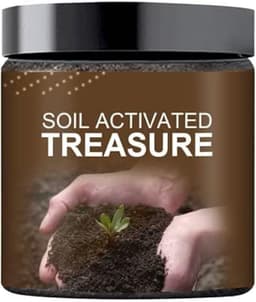
| Best overall |  Hualabo Hualabo Soil Activated Treasure 100 g | 100 g title | Powder | Not stated | 10.0 | about £3.74 | View offer |
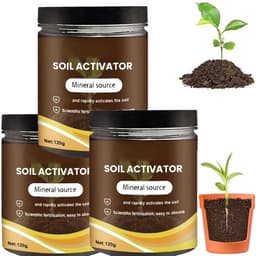
 Generic Generic soil activator 120 g | 120 g | Liquid field | Not stated | 9.4 | about £10.95 | View offer | |
| Alternative |  FLKWOP FLKWOP Soil Pro Activator 120 g | 120 g | Powder | 1:1000 | 8.4 | about £6.99 | View offer |

On this page
What clay actually needs
What a sachet can and cannot do
Gypsum, lime, and drainage
When to stop buying pouches
Common questions
Will a 120 g activator loosen clay?
What should I add instead?
Is gypsum the same job?
When can I walk on clay?
Can I use an activator after I have added compost?
When do I call a landscaper?
Why do listings promise pH balance as well?
Related pages
Sources
Public UK and maker sources from the research digest, used for this page in October 2026. Prices, stars and review counts are the amazon.co.uk figures stored with these nine listings. A pet-safe bullet and a 3–7 day root claim are listing text, not measured results. Envii Activearth is named as a small-garden granule that is not in this set.
- RHS, organic matter in the garden (retrieved 23 October 2026)
- RHS, fertilisers (retrieved 23 October 2026)
- RHS, biostimulants (retrieved 23 October 2026)
- GOV.UK, manufacturing and marketing fertilisers (retrieved 23 October 2026)
- GOV.UK, fertiliser from animal by-products (retrieved 23 October 2026)
- Garden Organic, managing your soil (retrieved 23 October 2026)
- Envii Activearth (retrieved 23 October 2026)
- Animal PoisonLine, fertilisers and pets (retrieved 23 October 2026)