Independent comparisons. We may earn from shop links. More info

Is kintsugi food safe?

Updated: 23 October 2026

The mug is glued, the gold line looks finished, and you want to know whether tomorrow’s tea is a reasonable idea. Is kintsugi food safe, for the twelve kits in this comparison, has a short answer with the limit in the same breath: a title that says food safe is a seller claim, and hot drinks sit outside the careful manufacturer limit we can actually cite. None of these listings names a migration test. The product ranks stay on the [Kintsugi set comparison](/hub/diy-supplies/kintsugi-set). This page stays with the law, the CHIYU wording, and the UK reviews that already contradict a dishwasher bullet. If you are still choosing a box, the [kintsugi kit buying guide](/hub/diy-supplies/kintsugi-set/sub/kintsugi-set-buying-guide) puts the job before the price.

The mug is glued, the gold line looks finished, and you want to know whether tomorrow’s tea is a reasonable idea.

Our top picks

deuvuo deuvuo 21-piece gold kit

Best overall

deuvuo deuvuo 21-piece gold kit
8.8/10about £19.99
CHIYU CHIYU bio gold and silver kit

Alternative

CHIYU CHIYU bio gold and silver kit
8.6/10about £49.95
On this page

A title is not a test

Food-contact materials in Great Britain sit under assimilated Regulation (EC) No 1935/2004. Article 3 says materials intended to contact food must not transfer constituents that endanger health or spoil the taste, smell, or composition of the food, under normal use. The Food Standards Agency says plastic food-contact substances need authorisation. That framework does not name any ASIN here, and it does not turn a title into a certificate. None of the twelve listings names a migration test or a declaration of compliance. Passed safety testing on Paistely’s bullet does not name the test. Fuchoi’s seller cites −60°F to 400°F and calls repaired dishes dishwasher safe, with no UK boil test on the listing. deuvuo makes no food-contact claim. The Consumer Rights Act 2015 is the shopping route when a UK item does not match a food or dishwasher line you relied on. It does not certify the resin.

Hot drinks are outside the careful limit

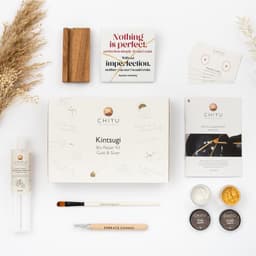
CHIYU publishes a limit you can compare with the Amazon bullet. Limited food contact is described only after a full cure, hand washing is preferred, and hot liquids, the microwave, oven cooking, and food storage are excluded. Tea and coffee are hot liquids. The Amazon bullet says the resin hardens in 5 to 10 minutes and is then food safe and dishwasher safe. Those two texts do not say the same thing. Amazon lists 10 ml; the manufacturer page says 24 ml. A UK review says a CHIYU repair went grey and peeled in the dishwasher. That does not prove every tube will fail. It shows the Amazon sentence is already disputed on the same page. DecorRom’s seller says the glue is food safe, and UK reviews say glue came off into tea. Holamdo’s title says food safe, and a UK review doubts it because the set takes only a few minutes. A daily mug should leave service. The gold line can stay on the shelf.
deuvuo deuvuo 21-piece gold kit

Testsieger

deuvuo deuvuo 21-piece gold kit
8.8/10about £19.99

Dishwashers and paste-filled chips

DecorRom’s seller says the repair is dishwasher-friendly after 24 hours. One UK review says that after two days the epoxy came off in the first wash and the gold shifted toward red. Vividye’s title says food safe and does not say dishwasher safe. A verified review says the repair came off in the machine. CHIYU’s manufacturer page prefers hand washing. The V&A’s separate epoxy-and-putty kit, at £28, also says hand wash only. On CHIYU’s modern-kit page, the limited cold-food note is withdrawn if you use the kneading paste. A paste-filled chip is a display repair. Most cheaper kits do not include a paste. If glue has already shed into a drink, stop serving food from that piece. The how to use a kintsugi repair kit page is the sequence for a display mend.

What you can still do with the object

A vase, a lamp base, a picture frame, or a plate on a dresser can take these kits. deuvuo at about £19.99, with 6 × 10 g of powder and 4.4 from 151 reviews, is the top pick for that decorative job, and it does not claim to be a food kit. Limino at about £9.38, with 173 reviews, is the same kind of purchase if you mix tiny batches and leave bio based as a title. A named plant source is not a test report. Hand washing, if you wash at all, matches the careful CHIYU page. Keep the piece out of a long soak, the microwave, and the oven. Epoxy kintsugi vs urushi keeps lacquer separate from these boxes. Peter F. read the listings on 21 October 2026. This page did not run a migration test. A qualifying purchase can earn a commission at no extra cost to you.

Common questions

Is a kintsugi repair safe for a mug I drink from?
Leave hot tea and coffee off a repair from this set. The careful CHIYU manufacturer limit allows only limited cold food after a full cure and excludes hot liquids. The Amazon bullet on the same brand is wider, and a UK review says a repair peeled in the dishwasher. Other kits say food safe without naming a test. A daily mug is a display piece after this kind of mend, or it stays broken until you have a different basis.
What does food safe on an amazon.co.uk title actually prove?
It proves the seller typed those words. It does not cite Regulation 10/2011, a migration test, or a declaration of compliance. Article 3 of assimilated Regulation 1935/2004 is the general rule against harmful transfer in normal use. The Food Standards Agency says plastic food-contact substances need authorisation. None of the twelve listings shows that authorisation. Read the title as a claim, and read the UK reviews on the same page before you pour a drink.
Can I put the repaired plate in the dishwasher?
Plan on hand washing, and only if you are keeping the piece for show. DecorRom, Vividye, and CHIYU each have a UK review of a repair that peeled, lifted, or changed colour in a dishwasher, against seller lines that are more confident. CHIYU’s own site prefers hand washing. The V&A’s separate kit says hand wash only. A machine cycle is the claim most often contradicted in this set.
Does CHIYU’s own site match its Amazon bullet?
The Amazon bullet for the bio kit says food safe and dishwasher safe after 5 to 10 minutes, and lists 10 ml. The manufacturer page says 24 ml, limited cold food after a full cure, hand washing preferred, and no hot liquids, microwave, oven, or food storage. Use the manufacturer limit when the two conflict. A UK review of greying and peeling in the dishwasher sits on the Amazon page beside the wider bullet.
If I fill a missing chip with paste, does the food line still apply?
On CHIYU’s modern-kit page, using the kneading paste withdraws the limited food-contact note. A filled chip is a display repair. Most of the cheaper kits in this set do not include a paste, so a missing shard is a different buy from a clean crack. The buying guide separates those two jobs before you look at the price.
A UK review found glue in the tea. What should I do with that piece?
Stop serving food or drink from it. DecorRom reviews describe glue in tea and a poor result on coffee cups. Once a repair has shed into a cup, that object has shown you the limit in your own kitchen. Keep it as an ornament if the line still looks sound, wash it by hand, and leave it out of the dishwasher. The Consumer Rights Act 2015 is the shopping route when a food or dishwasher claim did not match the item.

Related pages

Sources

Public UK sources and the amazon.co.uk listings compared on this page. Updated 22.10.2026.

  1. Japan House London: Kintsugi repair technique (retrieved 22.10.2026)
  2. legislation.gov.uk: assimilated Regulation (EC) No 1935/2004 (retrieved 22.10.2026)
  3. Food Standards Agency: food contact materials authorisation (retrieved 22.10.2026)
  4. HSE: chemical classification and labelling (retrieved 22.10.2026)
  5. CHIYU: bio repair kit (retrieved 22.10.2026)
  6. V&A shop: kintsugi gold repair kit (retrieved 22.10.2026)
  7. amazon.co.uk: kintsugi repair kit search (retrieved 22.10.2026)
  8. DermNet: epoxy resin contact allergy (retrieved 22.10.2026)